
Summer is what we garden for. Long days, warm evenings, beds bursting with colour, and a lawn that looks like the one you imagined when you first planted it. But getting your garden to that point doesn’t happen by accident — it takes a little planning and the right preparation as spring gives way to the warmer months.
This guide covers everything you need to know about how to prepare your garden for summer — from soil health and lawn care to beds, borders, and beyond. Follow these steps and your garden will be summer-ready and looking its very best.
Your Summer Garden Preparation Checklist
Use this at-a-glance checklist to stay on top of every key task before the season hits:
| Task | When to Do It |
|---|---|
| Improve and feed your soil | Late spring / early summer |
| Repair or relay lawn areas | May – June |
| Mulch beds and borders | Before hot weather arrives |
| Plant summer bedding | After last frost (late March to mid-May depending on your area) |
| Weed beds and borders | Ongoing, but doing it in spring / early summer makes summer maintenance easier |
| Top-dress vegetable patches | Before sowing or planting out |
| Aerate compacted lawn areas | May, before peak growing season |
| Tidy up edges and paths | Throughout growing season, but best in early spring |
| Check irrigation and water sources | Before the hot weather arrives |
1. Start With Your Soil
Everything in a garden — your lawn, your vegetables, your flower beds — begins with soil quality. If the soil is compacted, nutrient-poor, or poorly draining, no amount of summer maintenance will compensate. Getting your soil right in late spring sets you up for the whole season.
Check Your Soil’s Condition
Before adding anything to your soil, take stock of its current condition. Dig down about 30cm in a few spots and look for:
- Compaction: if the soil is solid and hard to dig, water and roots will struggle to penetrate
- Drainage: does water pool on the surface after rain, or does it drain freely?
- Colour and structure: rich, dark, crumbly soil is healthy; pale, lumpy, or sandy soil usually needs improving
Improve Soil Structure With Topsoil or Compost
If your beds or borders need a boost, adding a layer of quality topsoil is one of the most effective ways to improve structure, drainage, and nutrient levels ahead of summer. For beds and borders in particular, Border Blend Topsoil is specifically formulated to support flowering plants and shrubs throughout the growing season.
For vegetable patches and kitchen gardens, Vegetable and Fruit Topsoil is blended to deliver the nutrients and structure that food crops need. Alternatively, working compost or well-rotted manure into the top layer of existing beds will add organic matter and feed the soil over time.
If you’re unsure how much topsoil or compost you need, use our free Topsoil Calculator to get an accurate estimate for your space.
2. Get Your Lawn Ready for Summer
A lush, green lawn makes your whole space look well-tended, so here’s how to give it the best possible start.
Scarify and Aerate
If your lawn feels spongy or looks mossy, it probably has a build-up of thatch — a layer of dead grass, roots, and debris sitting at the base of the grass. Scarifying (raking it out vigorously) allows air and water to reach the roots properly.
Follow up by aerating the lawn — either with a garden fork or a hollow-tine aerator — especially in high-traffic areas. This relieves compaction and allows moisture to penetrate deeply, which is crucial as the drier summer months approach.
Top Dress for a Smooth, Healthy Finish
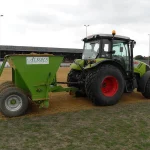
Top dressing is one of the most effective things you can do to improve your lawn’s appearance and health. Apply a thin layer of Turf and Lawn Topsoil across the surface, working it into the holes left by aeration. This improves drainage, boosts grass health, repairs uneven patches, and assists with seed germination.
Repair Bare and Damaged Patches
Walking on lawns in winter and spring often leaves bare or thin patches behind. Summer is not ideal for major lawn laying (the heat can stress new turf), but you can repair smaller areas. Use a quality Lawn Repair Mix to support new grass growth and knit bare patches back into the surrounding lawn.
For best results when reseeding:
- Remove any dead grass and loosen the top layer of soil
- Apply lawn repair mix to a depth of around 2–3cm
- Sow grass seed, rake lightly, and firm down
- Water gently and consistently until the new grass is established
Mowing Tips for Summer
Once summer arrives, adjust your mowing habits accordingly. Raise your mower blade slightly: cutting too short in hot, dry conditions stresses grass and leads to browning. Aim to remove no more than a third of the grass length at a time, and leave clippings on the lawn during dry spells as a natural mulch.
3. Prepare Your Beds and Borders
Summer beds and borders are all about colour, structure, and sustained flowering. The work you put in now — weeding, feeding, and mulching — will pay dividends throughout the season.
Weed Thoroughly Before Planting
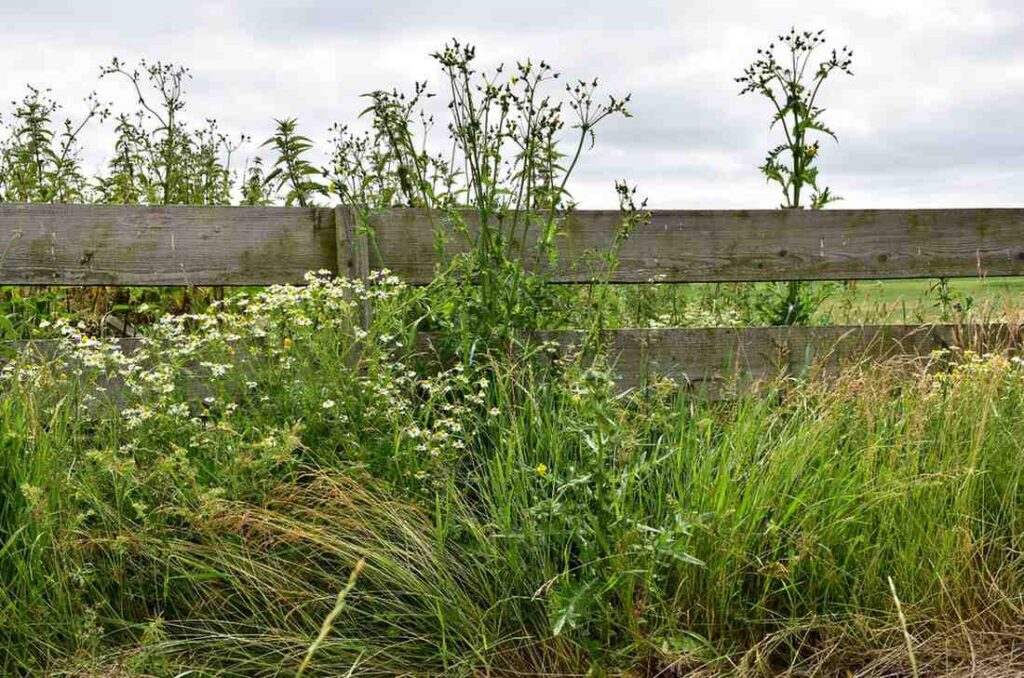
Weeding now, before summer bedding goes in, is far easier than trying to tackle weeds once they’re competing with established plants. Remove everything, root and all, paying particular attention to perennial weeds like bindweed, couch grass, and dandelions, which will return if any root is left behind.
Once the bed is clear, applying a layer of mulch will help suppress new weed growth throughout the season.
Enrich Beds With Compost
Whether you’re planting summer bedding, perennials, or shrubs, working organic matter into your beds will help retain moisture and feed plants during the peak growing months. Our Beds and Borders Compost is peat-free and specifically developed for flowering beds and ornamental borders, providing a steady release of nutrients that keeps plants performing all summer. For woody plants and new shrubs, Tree and Shrub Compost is the natural choice.
Plant Summer Bedding After the Last Frost
In most parts of the UK, it’s safe to plant out summer bedding — petunias, geraniums, lobelia, marigolds, and so on — from late May onwards, once the risk of frost has passed. Harden off any plants that have been grown indoors or under glass by placing them outside during the day for a week or so before planting out.
Space plants generously to allow good airflow, and water well after planting. A layer of compost around the base of each plant will help retain moisture and reduce how often you need to water.
4. Apply Mulch Before the Heat of Summer Kicks in
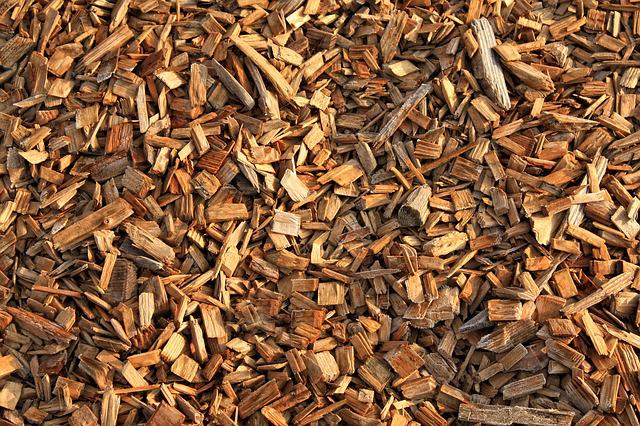
Mulching mustn’t be overlooked. Applying a layer of bark mulch across your beds and borders before summer:
- Locks in soil moisture, reducing how often you need to water
- Suppresses weeds by blocking light from the soil surface
- Regulates soil temperature, keeping roots cooler during hot spells
- Gradually breaks down to add organic matter to the soil
Apply Bark Mulch to a depth of around 5–7.5cm, keeping it clear of plant stems and crowns to prevent rot. One 750-litre bulk bag typically covers 10–12m² at this depth — use our Compost Calculator if you want a precise figure for your garden.
5. Prepare Your Fruit and Veg Patch
If you’re growing your own fruit and veg this year, a little preparation now will make a significant difference to your harvest. The key priorities are soil quality, drainage, and crop planning.
Top dress raised beds and vegetable plots with Vegetable and Fruit Compost to replenish nutrients used up last season. Our peat-free blend is rich in organic matter and supports everything from salad leaves and courgettes to tomatoes and soft fruit. If you’re adding a completely new growing area, Vegetable and Fruit Topsoil provides the ideal base layer before topping off with compost.
Once soil is prepared:
- Sow or plant out tender crops (courgettes, beans, tomatoes) after late May
- Direct sow root vegetables (carrots, beetroot, radishes) as soon as soil warms
- Keep beds watered consistently — vegetables need reliable moisture to produce well
- Consider adding a layer of mulch between rows to keep weeds down

6. Water Management and General Maintenance
As temperatures rise, water management becomes central to keeping your garden healthy. A little planning now means less stress — for you and your plants — when the dry weather arrives.
Set Up a Watering Routine
Water deeply and less frequently rather than little and often. Deep watering encourages roots to grow downward, making plants more resilient to drought. Early morning is the best time to water because it reduces evaporation and gives foliage time to dry before evening, which reduces the risk of fungal disease.
If you haven’t already, connect a water butt to a downpipe. Collecting rainwater is free, better for your plants, and reduces reliance on the mains supply in the event of a hosepipe ban.
Edge Paths and Borders for a Polished Look
Clean, well-defined edges between lawn and borders make the whole garden look neat. Run a half-moon edging tool or spade along the border line, cutting a clean vertical edge. This also stops grass creeping into beds and competing with your plants.
Check Garden Structures
Before summer use ramps up, check fences, raised beds, pergolas, and garden furniture for any winter damage. Treating timber with preservative oil, tightening loose fixings, and repainting metalwork now takes far less time than leaving it until things deteriorate further.

7. Consider a Wildflower Area
If you have an area of garden that’s difficult to cultivate, or you’d like to give something back to the local wildlife, consider establishing a wildflower patch. Wildflower Topsoil is specially formulated with low nutrient levels — ideal for encouraging the diversity of native wildflowers that thrive in lean conditions. Sow a wildflower mix directly onto prepared ground, water in, and let nature do the rest. Wildflower areas are low-maintenance once established and are brilliant for pollinators throughout summer.
Ready to Get Started?
Whether you need topsoil to transform your beds, a lawn repair mix to revive tired grass, or bark mulch to keep your borders weed-free all summer, Alsoils has you covered. We’ve been supplying high-quality soil, compost, and garden products across the UK for over 35 years — and we’re on hand to help you choose the right products for your garden.
Browse our full range of summer garden products, or get in touch if you have any questions.